How to Know if You Need Schedule D
Are you lot getting enough lord's day? In many parts of the world, that might prove difficult during the wintertime months — and it can impact more than your sunny disposition.When exposed to sunshine, our bodies produce vitamin D, something our bodies need to maintain healthy bones and teeth; support our immune and cardiovascular systems; and stave off certain diseases, like type 1 diabetes. Some reports suggest that roughly three-quarters of American teens and adults might not be getting enough vitamin D. So, how can you turn that number around?
The National Institutes of Health (NIH) makes recommendations for what one's daily intake of vitamin D should exist based on age, gender and other factors. The recommendations, in micrograms (mcg), can be summarized as follows:

- Infants (upward to 12 months): 10 mcg daily
- Children (one to thirteen years): fifteen mcg daily
- Teens (14 to xviii years): xv mcg daily
- Adults (19 to 50 years): fifteen mcg daily
- Older adults (51 to 70 years): 15 mcg daily
- Seniors (seventy+ years): 20 mcg daily
And then, how can you supplement your vitamin D intake if all that basking in the sunday isn't cutting information technology? Thank you to the Dietary Guidelines for Americans, we've rounded upwardly x healthy foods that can help you attain those daily vitamin D goals.
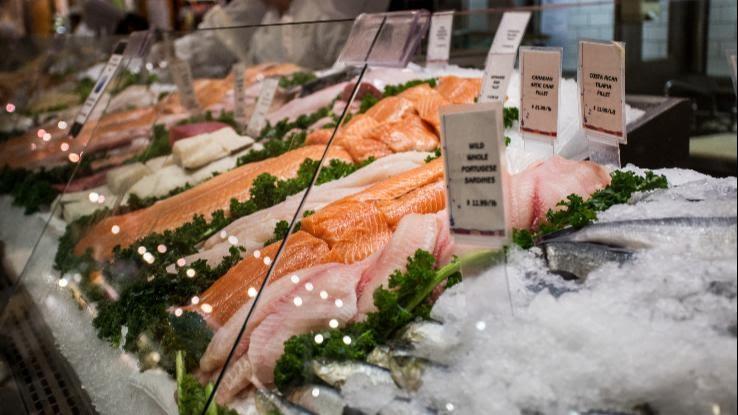
Salmon
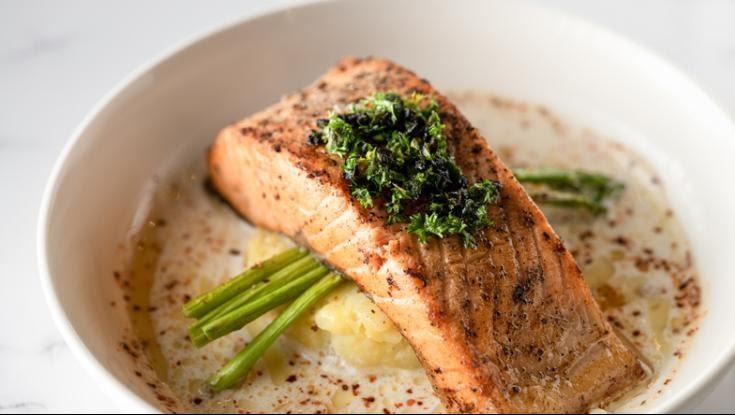
Salmon comes in quite a few different varieties — canned sockeye salmon, smoked chinook salmon, canned pink salmon, cooked sockeye salmon, cooked pinkish salmon and even cooked wild coho salmon — and all of them are chock-total of vitamin D. All of these options will help yous hit your goals. Subsequently all, a three-ounce serving of canned sockeye salmon contains 17.9 mcg of vitamin D, while a iii-ounce portion of cooked sockeye salmon contains 11.1 mcg of vitamin D.
Smoked Whitefish
Desire to change up that salmon intake? Whitefish can help with that. While whitefish are a species of fish, the term likewise refers to a cluster of types of fish, all of which accept a mild, slightly sweet flavor. Some of the most popular "whitefish" include pollock, bass, cod, halibut, grouper and haddock. On average, a standard three-ounce serving of smoked whitefish contains an impressive 10.8 mcg of vitamin D.

Swordfish
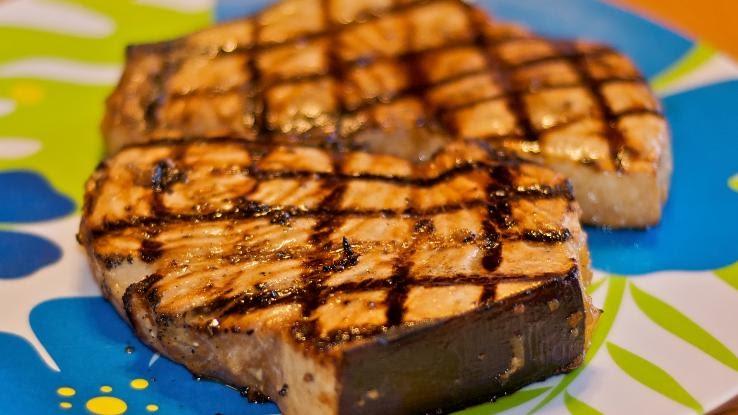
If you're looking for a terrific source of vitamin D, and to pause up all that whitefish and salmon, try swordfish. These creatures can grow to exist a whopping 1,400 pounds — and nearly 15-feet in length. While you wouldn't want to tangle with 1 of these in the ocean, encountering information technology as a nice, grilled steak is a treat. Best of all, a three-ounce portion will provide you with 14.1 mcg of vitamin D.
Tilapia
Tilapia is a cluster of fish species that aren't found in nature. That is, tilapia is a farmed fish, which makes it pretty inexpensive. This mild species is the fourth most mutual type of seafood eaten by Americans, in part because of its versatility. We recommend a nice herb-and-parmesan chaff, but, any mode you slice it (or season it), a three-ounce portion volition provide you with three.one mcg of vitamin D.

Canned Tuna
Not into canned nutrient? Well, canned fish should probably exist your exception. In fact, canned tuna, in addition to being readily available and inexpensive, can make an abundance of tasty meals, from tuna salad and melts to casseroles. Best of all, a three-ounce serving of light tuna canned in oil contains about 5.7 mcg of vitamin D.

Mushrooms
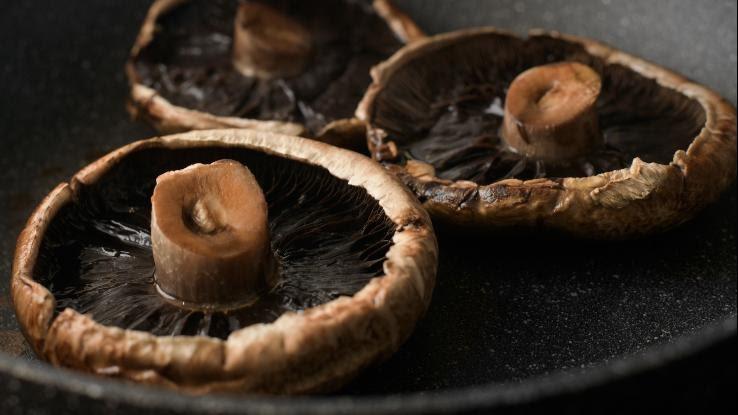
The five fish options we've listed in a higher place might not have surprised you, but this one might. Many varieties of mushrooms — including portabella, cremini, morels, chanterelles, maitake, and even your basic white button mushrooms — are splendid sources of vitamin D. In fact, half a cup of grilled portabella mushrooms delivers an impressive 7.ix mcg of vitamin D.
Eggs
Eggs — and, in particular, egg yolks — are one of the easiest, cheapest and quickest ways to nab some vitamin D. However, they may non be the food of option for folks with high cholesterol. If your diet allows, whip up two scrambled eggs and bask getting 5% of your recommended daily intake of vitamin D outset thing in the morning.

Milk
Milk is more than than but a great source of calcium. In fact, vitamin D is among its significant nutritional benefits. When it comes to a 16-ounce serving of moo-cow's milk, the vitamin D content varies based on the milk's composition. For case, whole milk contains 6.iii mcg of vitamin D, while ii%, 1% and skim milk all contain 5.nine mcg. Even soy and dehydrated (powdered) milk will help you accomplish your goals by providing 5.viii mcg and 3.4 mcg of vitamin D respectively.

Yogurt
Milk is not the only dairy product capable of delivering some serious vitamin D benefits. Of form, the nutritional value of yogurt changes depending upon the variety. For example, Greek-style yogurt contains more protein and less sugar than other types of yogurt. Nevertheless, you can notwithstanding expect anywhere from 2 to 3 mcg of vitamin D per 8-ounce serving, regardless of the diverseness of yogurt.

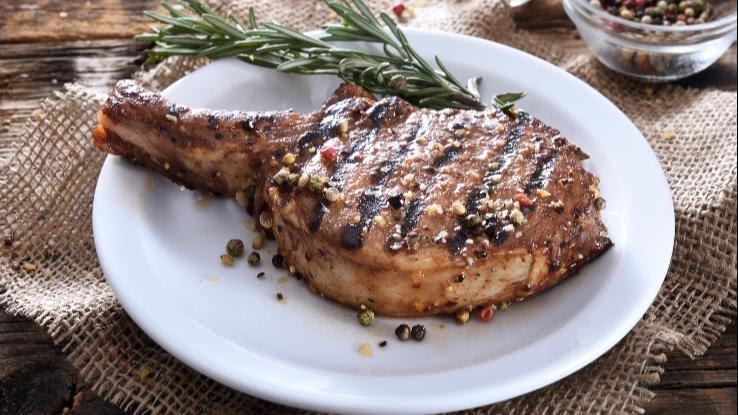
Pork
So far, you've seen lots of fish and dairy options. You might be wondering, Where's the meat? Well, generally speaking, beef and craven are non great sources of vitamin D. In fact, if you lot're a meat lover in search of some vitamin D, pork is your all-time bet. The nutritional value of pork varies depending upon the cut, method of grooming and more than, but you're likely to find between 0.two to 2.2 mcg of vitamin D in a standard three-ounce serving of pork.
Resources Links:
- The U.Due south. Department of Health and Human Services and Section of Agriculture'south Dietary Guidelines for Americans
- The National Institutes of Health (NIH)
bybeeherfulity1941.blogspot.com
Source: https://www.symptomfind.com/health/vitamind-foods?utm_content=params%3Ao%3D740013%26ad%3DdirN%26qo%3DserpIndex
Belum ada Komentar untuk "How to Know if You Need Schedule D"
Posting Komentar